
FEATURED INSIGHTS
Latest Insights
Explore news, thought pieces, stories and statements from the network.
To tackle climate change we must strengthen the resilience of our coastal communities
Coastal 500

Local leaders called upon to safeguard small-scale fishing

Mayors, Local Government Leaders Launch Largest Global Network Committed to Thriving Coastal Communities
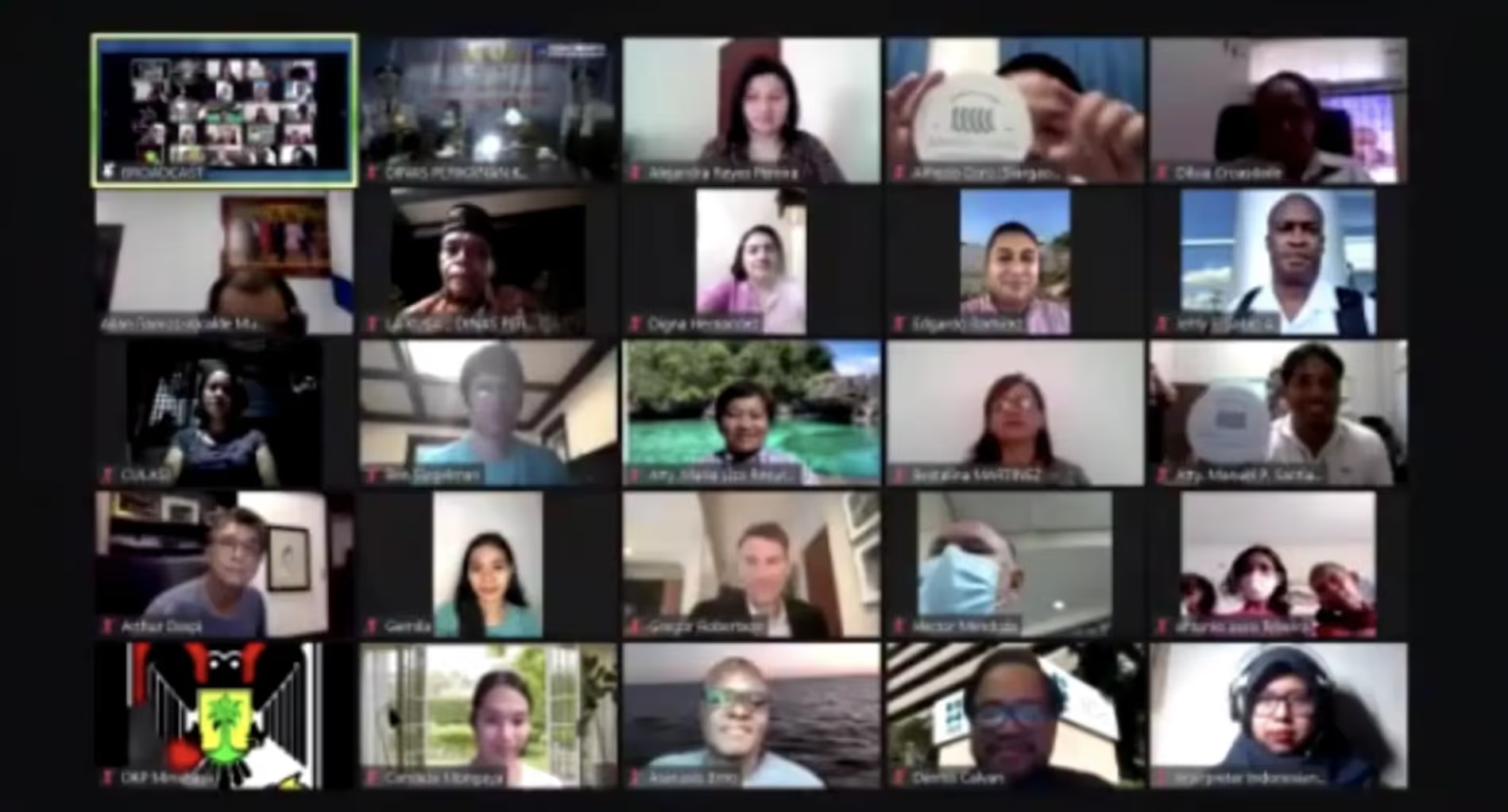
Rare Launches Global Network of Local Leaders Committed to Thriving Oceans & Coastal Communities
[Arlington, VA, USA] – Today, on World Ocean Day 2021, international conservation NGO Rare launched a global network of local government leaders committed to working toward thriving and prosperous coastal communities. The network, The Coastal 500, is made up of mayors and other local government leaders from countries across the developing tropics. It aims to dramatically change the way communities protect their coastal waters and influence the way entire nations and regions manage their fisheries. Members hail from the Philippines, Indonesia, Mozambique, Guatemala, Brazil, and Honduras.
The network will establish global leadership for small-scale fisheries and will work to influence stakeholders in the fisheries sector to ensure positive shifts in public opinion, political will, and government policies. It will also serve as a valuable platform for peer-to-peer learning, technical and network support, and advocacy development for coastal leaders from all over the world.
The Coastal 500 network was launched with a virtual event attended by nearly 250 people, including mayors and local government leaders representing about 100 coastal communities from around the world. Speakers at the event included Gregor Robertson, former mayor of Vancouver, Canada and Ambassador of the Global Covenant of Mayors; Antha Williams, head of Environment for Bloomberg Philanthropies; Christiane Paulus, Director General with the German Ministry for Environment, Nature Conservation and Nuclear Safety (BMU); Teddy Baguilat, Council President of the ICCA Consortium; Mayor Marlene Borges of Magalhães Barata, Brazil; and Julio Cesar Rodriguez, head of the association of artisanal fishers in Omoa, Honduras.
“It’s important for us to be organized – to have a clear and powerful voice around the world. By collaborating and sharing our successes, we can achieve great results,” said Mayor Gregor Robertson.
“The Coastal 500 will be a powerful force for good in the fight to end overfishing, support coastal communities, and help our ocean recover from the destruction of harmful human activities at sea,” said Antha Williams.
“Local communities are incubators for innovative, locally-led solutions and it is the responsibility of national government and the global community to support these efforts at scale,” said Frau Christiane Paulus.
“The idea of Coastal 500 was born out of the recognition of the importance of local governance – specifically, the key role of Mayors and local government leaders – that can support coastal communities and bring effective co-management to coastal fisheries,” said Dr. Steve Box.
“As oceans become more polluted and fishing communities become poorer, you, representing the governments in coastal areas, are asked to step up and save the planet by listening to the wisdom of the past and the voices of our fisherfolk,” said Teddy Baguilat.
“When we sign this global commitment, we are committing ourselves to the cause of development of artisanal fishing and to the objective of conserving nature in our territories,” said Mayor Borges.
The participant pledge is principal to the Coastal 500. Coastal 500 members publicly pledge to take specific actions to build healthy, prosperous, and thriving coastal communities through activities focused on:
- Promoting responsible fisher behaviors
- Advocating for the rights of local fishers to access local waters
- Encouraging participation in fisheries management
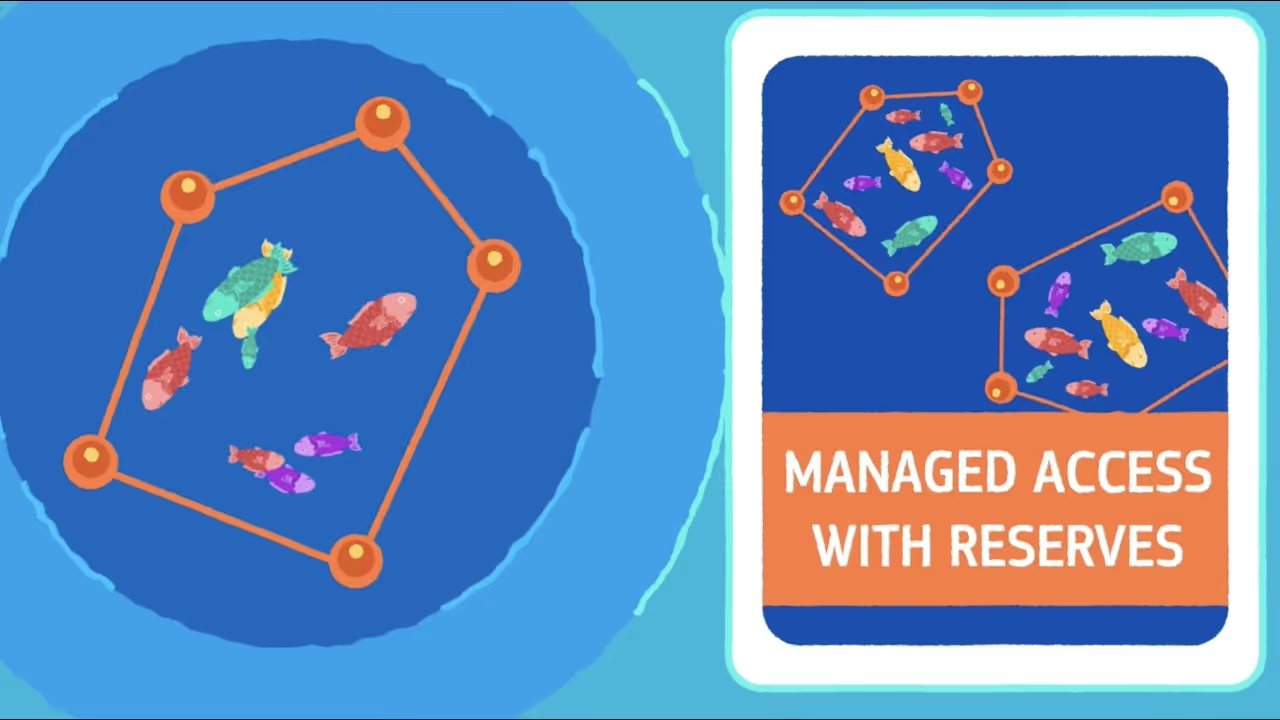
- Endorsing no-take reserves
- Investing in community-based fisheries management
- Sharing lessons and experiences with other local leaders from around the world.
Rare is the main facilitator of the Coastal 500. Rare’s Fish Forever program works to empower coastal communities to sustainably manage coastal resources and prevent overfishing. The program has engaged over 1,000 communities across eight countries and is helping place nearly 4,000,000 hectares of ocean water under sustainable management. Rare and the Coastal 500 are made possible with support from Bloomberg Philanthropies’ Vibrant Oceans Initiative. Bloomberg Philanthropies’ environment program leads efforts to fight climate change and protect the environment by driving the transition to clean energy, supporting local climate action, and preserving ocean ecosystems.
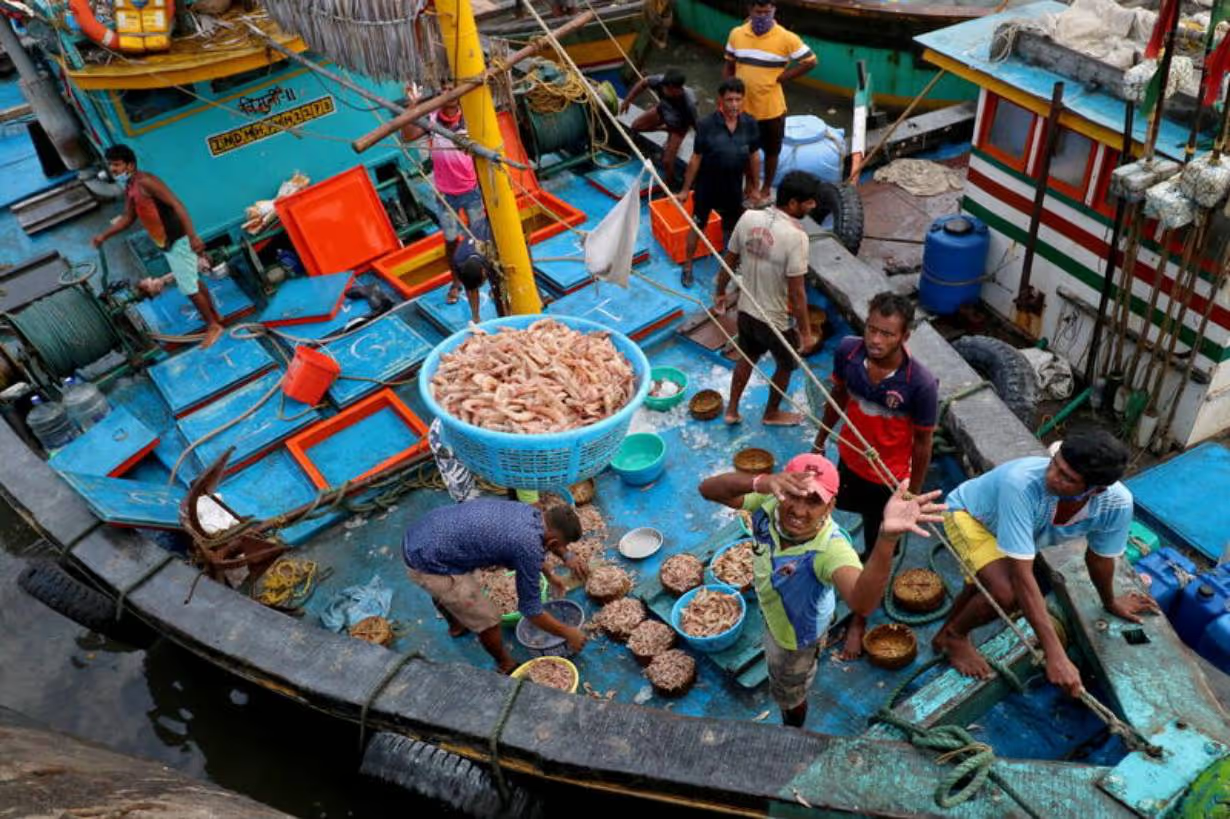
OPINION: To help the ocean globally, we need a local approach
Statement for World Oceans Day
.avif)
Rare's Coastal 500 | “We need to address the issue of climate change, and we have to do it now.” — Mayor Maria Liza
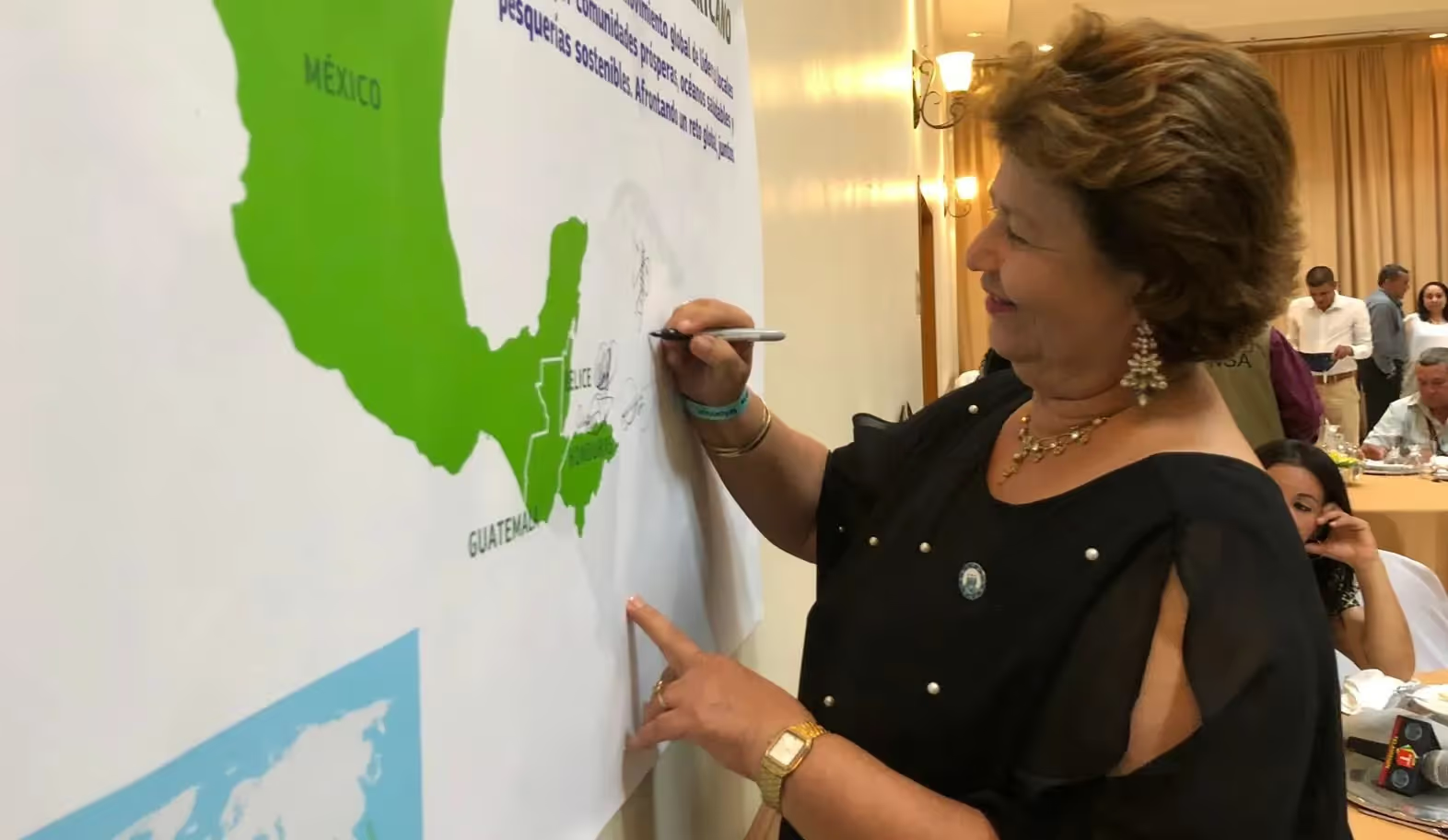
To Protect the Mesoamerican Reef, Honduran Mayors Commit to Coastal Fisheries Reform
From May 7-9, the Association of Honduran Municipalities (AMHON) held its annual meeting in Tela, a town on Honduras’ Caribbean coast. As mayors and other representatives from the nation’s 298 municipalities met to discuss challenges and successes and plan the year, one particular bright spot shined through—the growing network of coastal mayors committing to protect the Mesoamerican Reef region’s waters, reefs, and marine resources that sustain their communities.
During an evening event hosted by Rare and the Center for Marine Studies to celebrate their progress, 14 mayors from coastal communities across Honduras’ Caribbean coast and Bay Islands publicly pledged to support healthy and sustainable fishing communities.
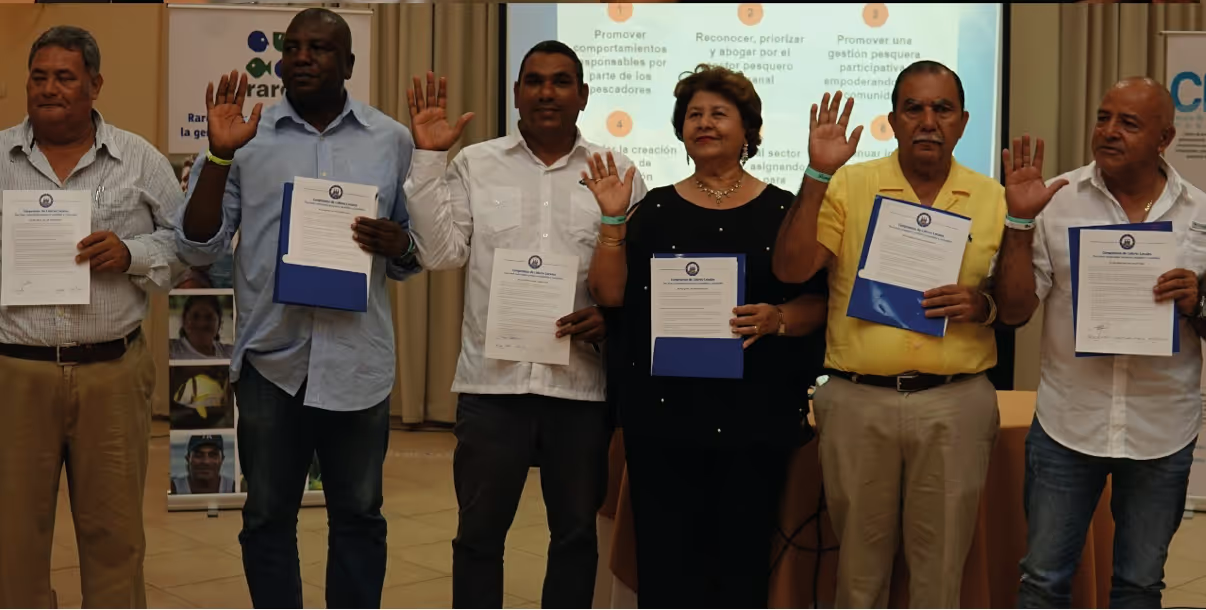
“I feel very satisfied today because what we are seeing is teamwork. This started in Guanaja, but we now have commitments from more mayors. Fishers now have reasons to be hopeful,” said Guanaja Mayor Spurgeon Miller, who led mayors in publicly pledging to safeguard the marine resources coastal communities depend on. The Mayor referenced an effort last year in which a group of coastal mayors in the MAR declared their support for establishing networks of marine reserves.
These 14 Honduran mayors joined the 12 coastal Filipino leaders that took the same pledge during a summit of Filipino mayors that Rare helped facilitate this past March. Their commitment is a step forward in growing a global movement of local leaders taking action to protect the natural resources that sustain their communities. Fish Forever hopes to bring this movement to 500 local leaders to reach 1,000,000 fishers worldwide.
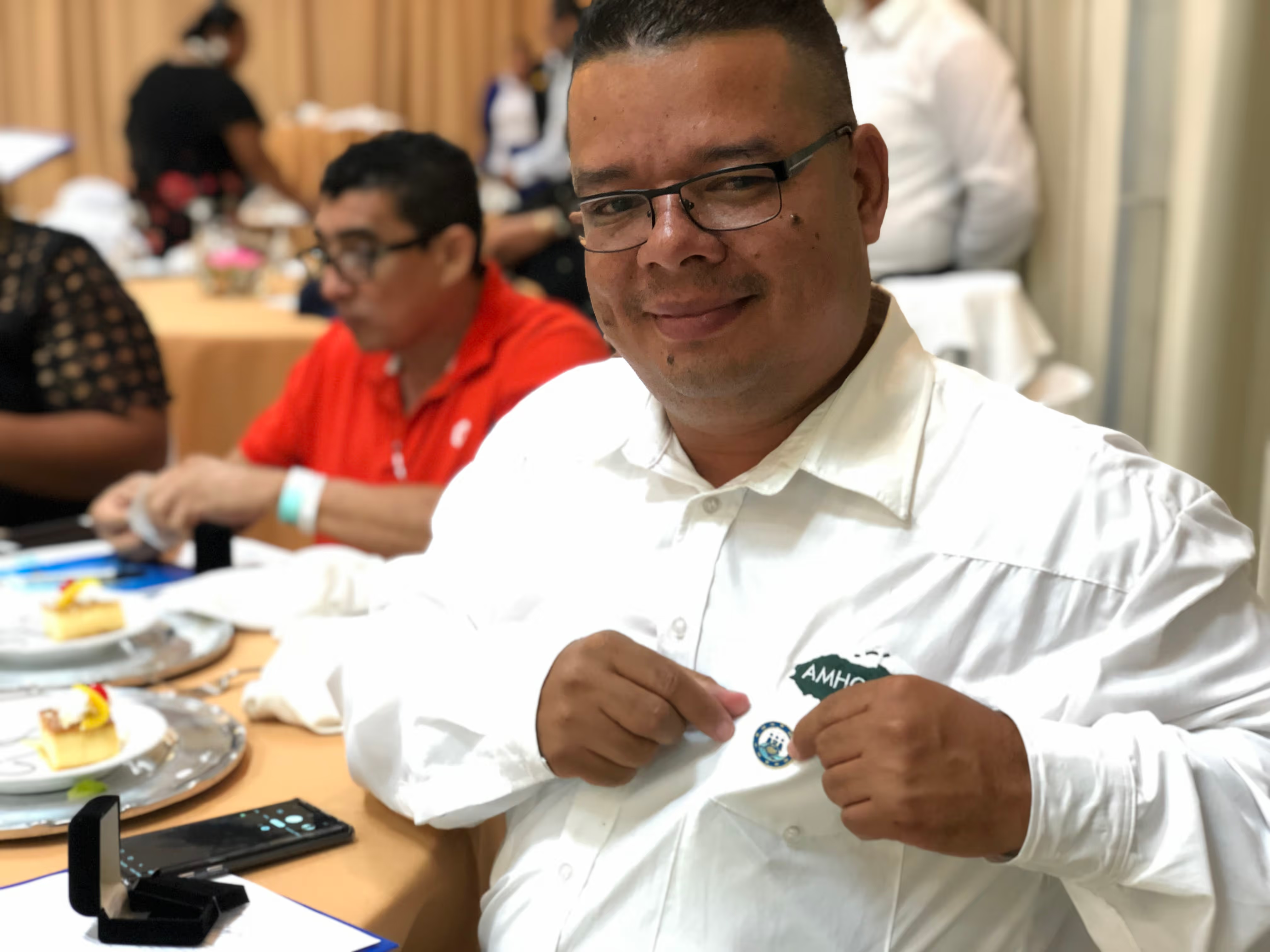
“The mayor’s network can help translate science into public policies that align municipal development plans with marine conservation and sustainable fisheries management,” said Jimmy Adino, Executive Director of the Center for Marine Studies.
Committing to Community-Based Fisheries in the MAR
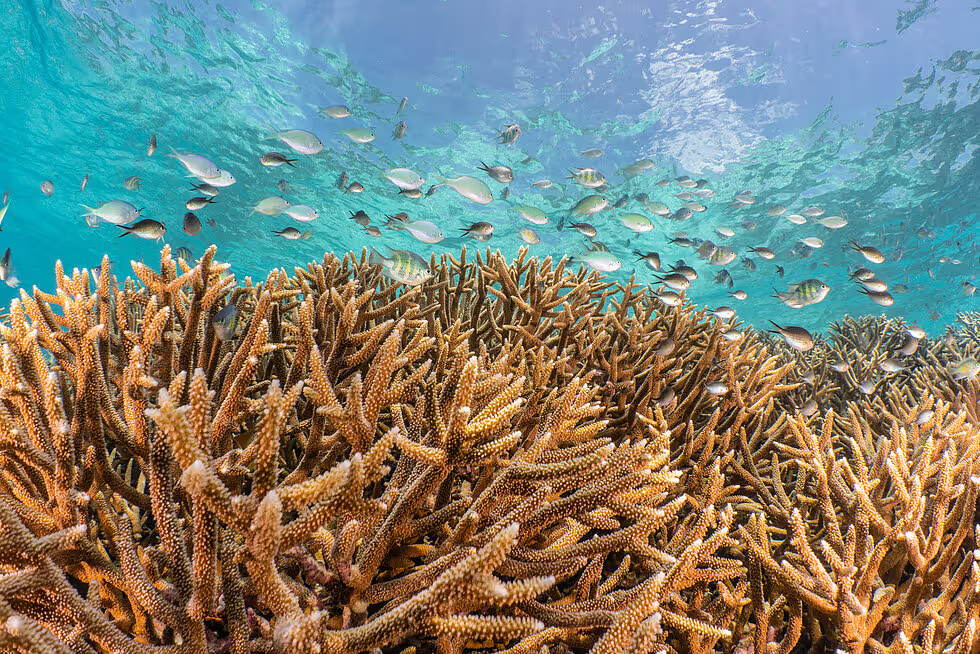
The Mesoamerican Reef (MAR) is the second largest barrier reef in the world and the largest in the Western Hemisphere. With over 600 miles of essential mangrove, coral reef, and seagrass bed habitats, stretching across the Caribbean coasts of Mexico, Belize, Guatemala and Honduras, the livelihoods of over two million people across the region depend directly on the reef’s health.
Community-based fisheries underpin the local economies of millions of coastal communities around the globe, making significant contributions to national fisheries production and food security. New research suggests that the artisanal fisheries sector’s value and importance have long been underestimated and masked by a lack of data. In Honduras alone, the sector’s value and catches have surpassed those of its industrial counterpart for decades.
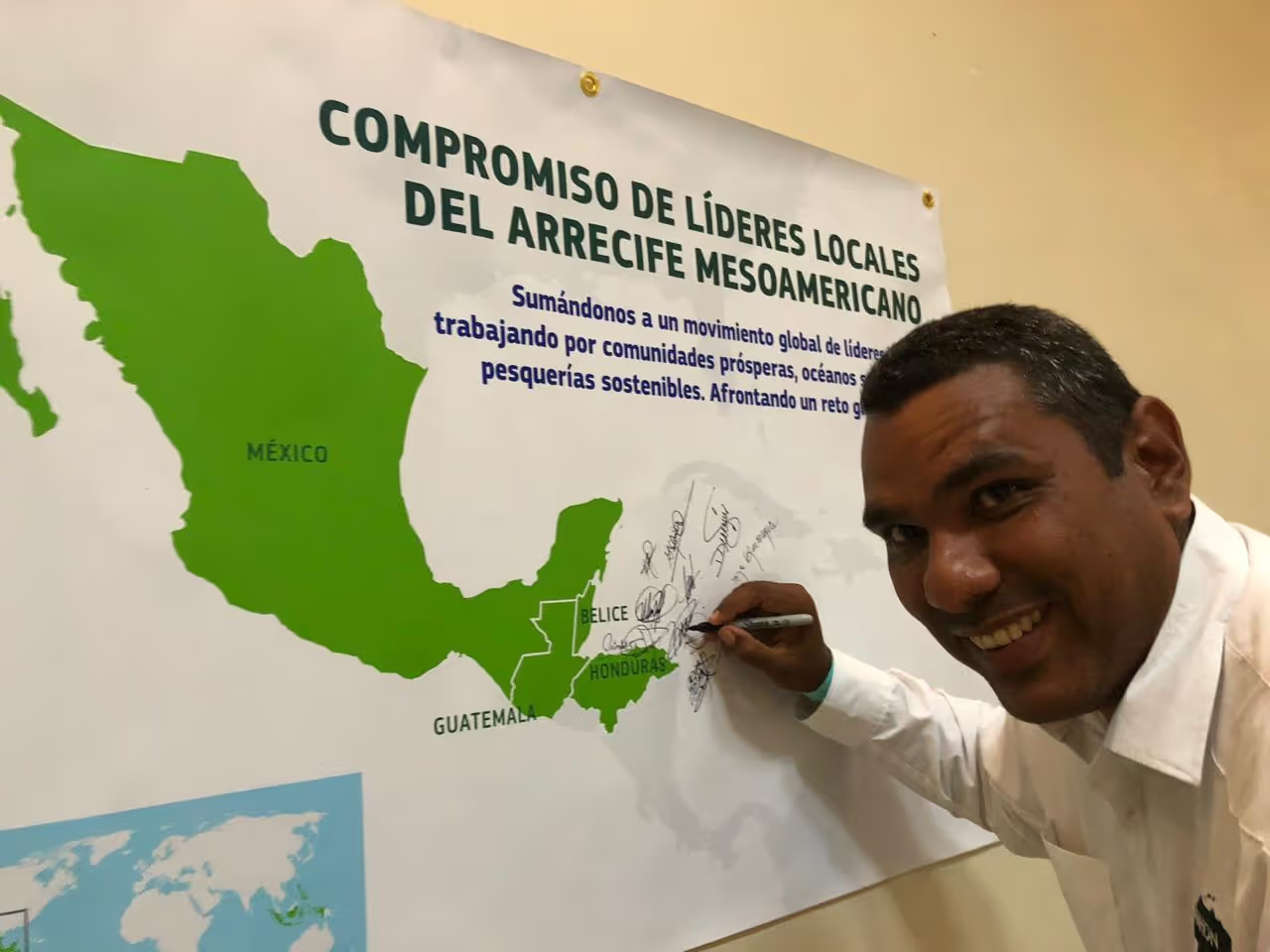
Unfortunately, overfishing continues to jeopardize the sector, and with that, the livelihoods and futures of coastal communities across Honduras and the world. Community-based fisheries largely operate under little or no effective governance. Fisheries data remains elusive and presents an ongoing barrier for effective fisheries management. Without effective governance at the municipal, provincial, national, and regional levels, coastal communities will remain in limbo.
“We know that reserves are an essential piece of sustainable fisheries management, and communities play a key role in their success,” said Dr. Steve Box, Sr. Vice President of Fish Forever, Rare’s coastal fisheries program. “By making this pledge, Honduras’ coastal mayors are investing in their communities’ future and demonstrating the power of local leadership in coastal fisheries reform. These mayors are setting an example for coastal communities around the world.”
By signing the pledge, the mayors committed to:
- Promote responsible fisher behaviors that include registration, catch monitoring, participation in management and adherence to regulations;
- Recognize, prioritize and advocate for local communities in their access to and use of coastal fisheries;
- Build an empowered and informed community through participatory fisheries management that fairly and equitably regulates effort and employs an accountable and transparent decision-making process;
- Endorse no-take reserves to replenish and sustain fish populations by protecting coastal habitats like coral reefs, mangrove forests and seagrass beds;
- Invest in strengthening human capacity and financial resources to sustain community-based fisheries management;
- Continue learning, teaching, and inspiring others by sharing lessons and experiences from their communities with leaders from across their country and around the world.
FOLLOW OUR MOVEMENt
Keep up with the leaders, ideas, and innovations advancing resilient coastal futures.