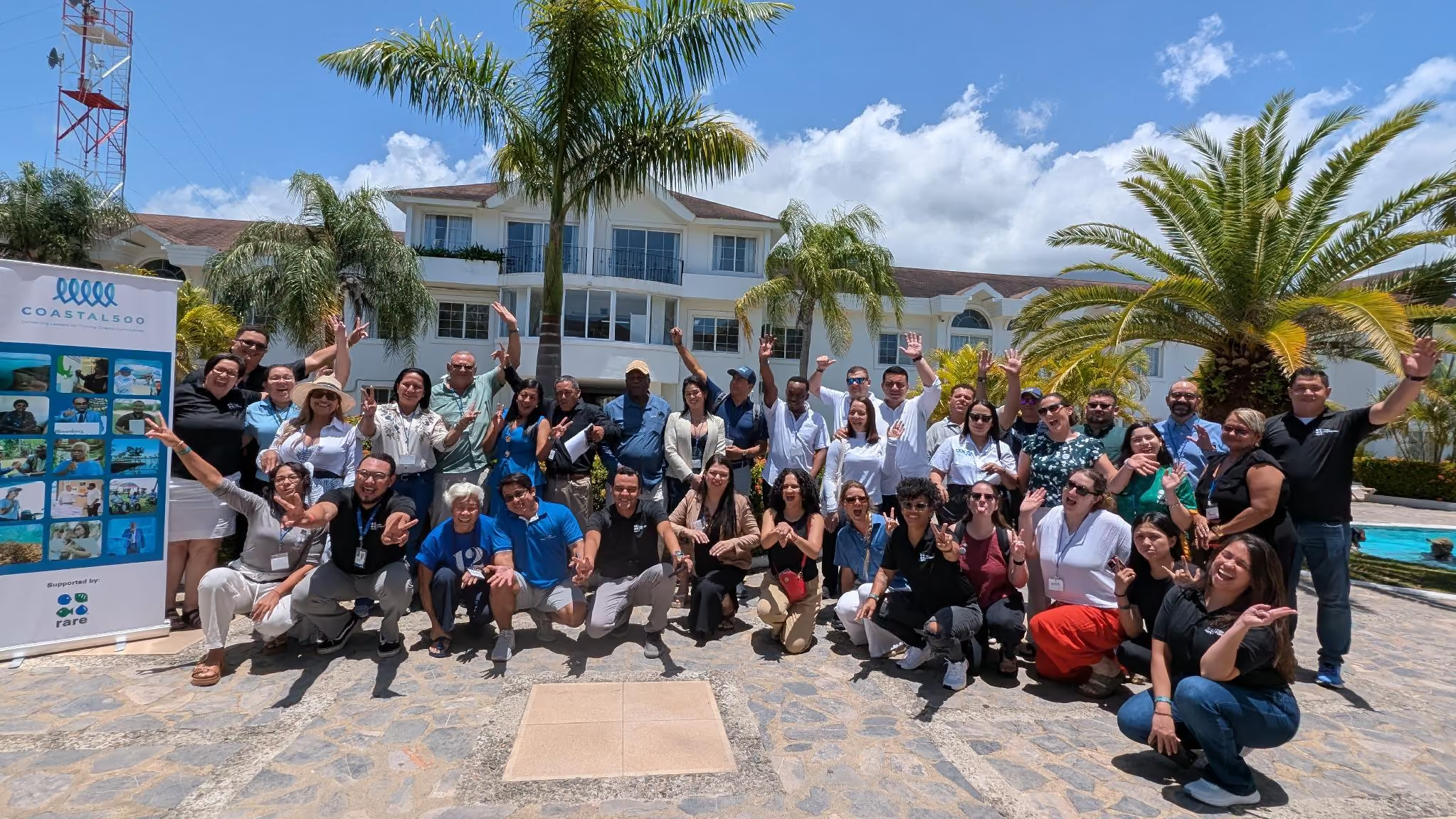
Why This Summit Matters
With over 500 members, Coastal 500 is the largest global network of mayors and local government leaders committed to working towards thriving and prosperous coastal communities. The network unites local leaders to protect and restore coastal areas and community seas, sharing best practices and critical lessons from municipalities across the globe.
Summits like this are essential for members to recognize that, while separated by geography, they face many of the same challenges, ranging from climate resilience and biodiversity loss to sustainable economic development. By creating opportunities for peer exchange, local leaders learned directly from one another, building relationships that are just as critical as technical expertise in driving lasting change.
This year's Regional Summit also marked a significant milestone as the first to feature cross-network exchange beyond Coastal 500. A representative from Colombia's Sustainable Municipal Network shared lessons on sustainable agriculture, demonstrating how collaboration across municipal networks can spark new ideas and create integrated solutions that connect healthy landscapes with healthy coasts.
Delegation
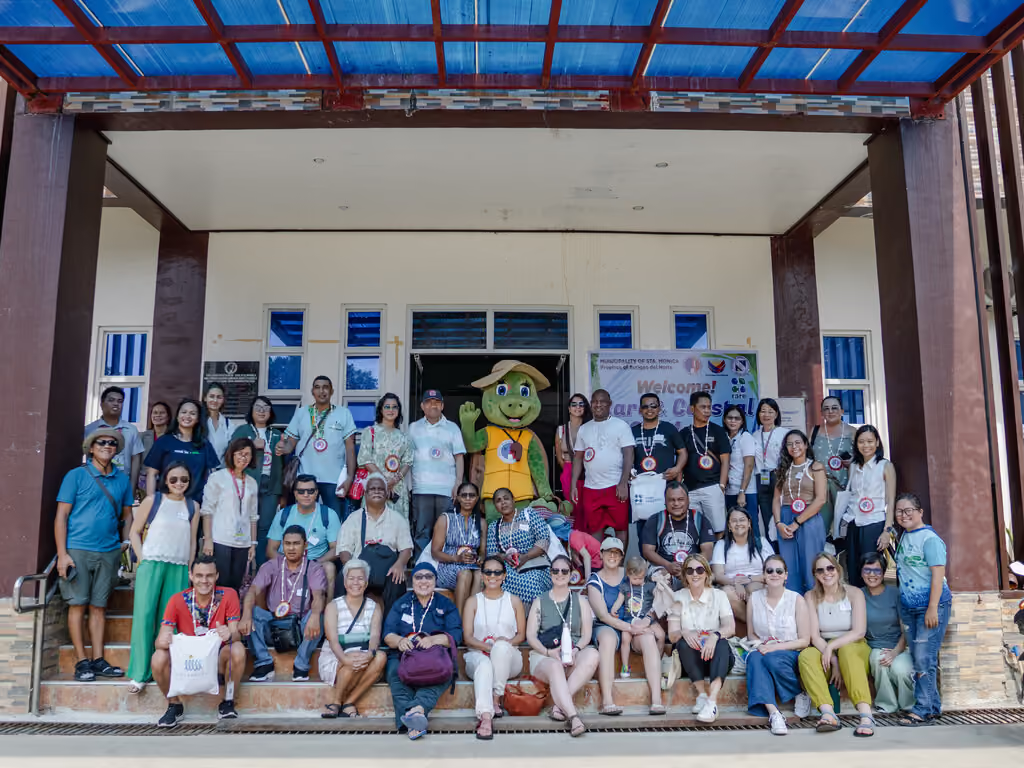
Participating municipalities included:
- Honduras: Puerto Cortes, Omoa, La Ceiba, Arizona, Trujillo, Santa Fe, Iriona, Juan Francisco Bulnes, Limón, Santa Rosa de Aguán, Balfate
- Guatemala: Puerto Barrios
- Brazil: Augusto Corrêa
- Colombia: Cubarral
Partners from the Bahamas, the United States and Honduras also joined us.
Day 1: Setting the Stage and Welcoming the Network
Team Building
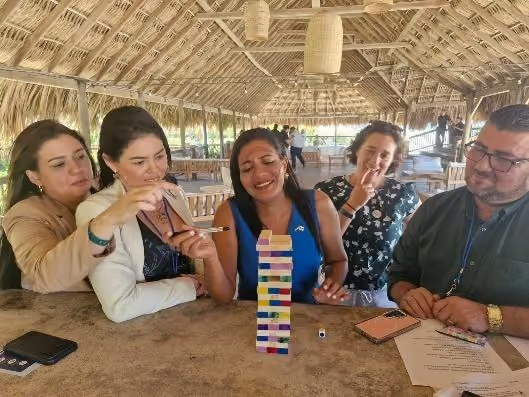
Our team building activity, the Ocean Olympics, brought together mayors, partners, and staff in a series of interactive team challenges. More than just an icebreaker, the activities demonstrated how communication, trust, perspective, and teamwork are essential in addressing complex coastal and environmental challenges. Participants actively supported one another throughout each event, and many reflected that the seemingly simple exercises carried meaningful lessons about protecting marine ecosystems and the communities that depend on them.
We should preserve and protect our species, but in order to do this, we need to understand each other, communicate, and work together as a team.
Coastal 500 Refresher
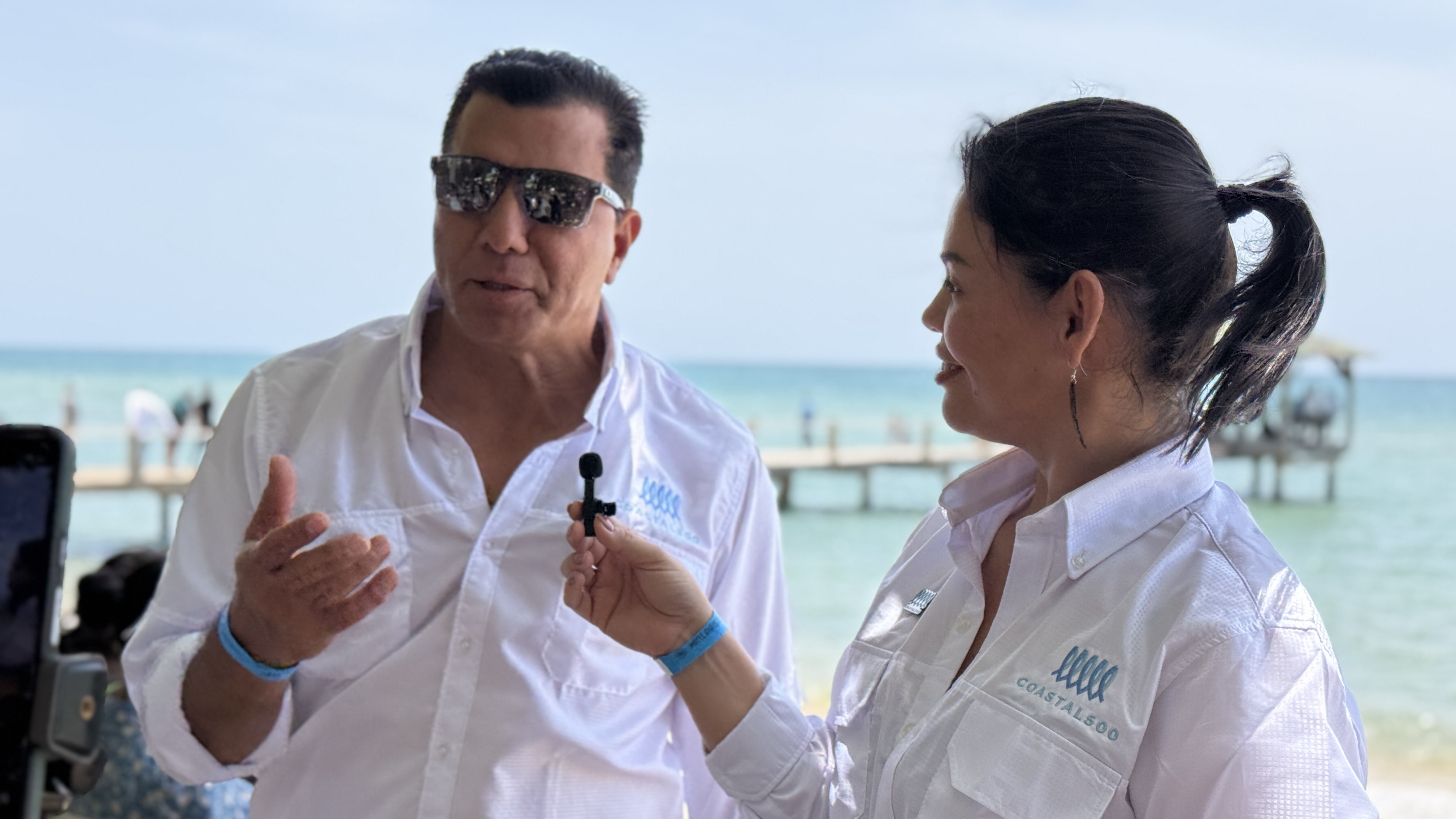
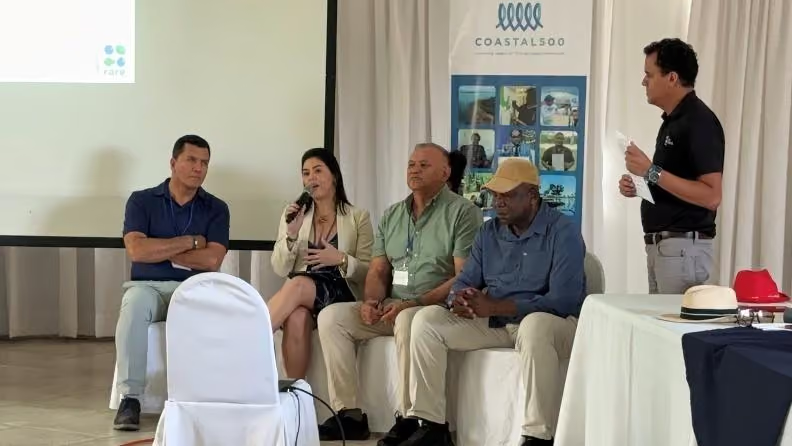
After staff provided a refresher on the network, including reach and aims, Coastal 500 members reflected on the value of belonging to the network, especially the importance of leadership driven by shared purpose. Mayor Hugo Sarceño (Puerto Barrios, Guatemala) emphasized that being surrounded by leaders committed to creating positive change is both inspiring and motivating, while reminding everyone that protecting biodiversity ultimately depends on collective human action. Mayor Hector Mendoza (Trujillo, Honduras) echoed this sentiment, sharing that Coastal 500 has provided him with valuable opportunities to learn and become a better leader.
Municipal Innovations Fair
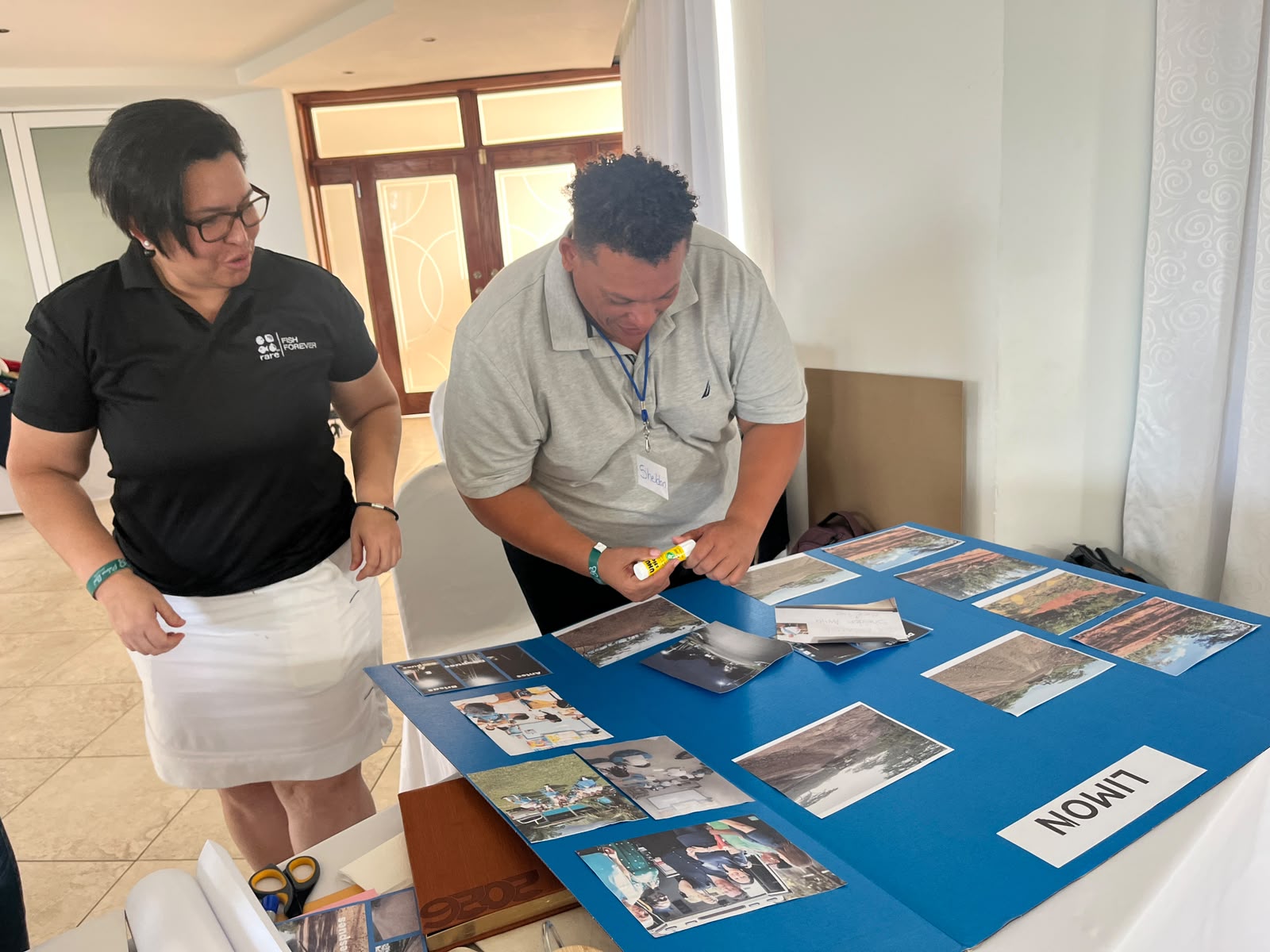
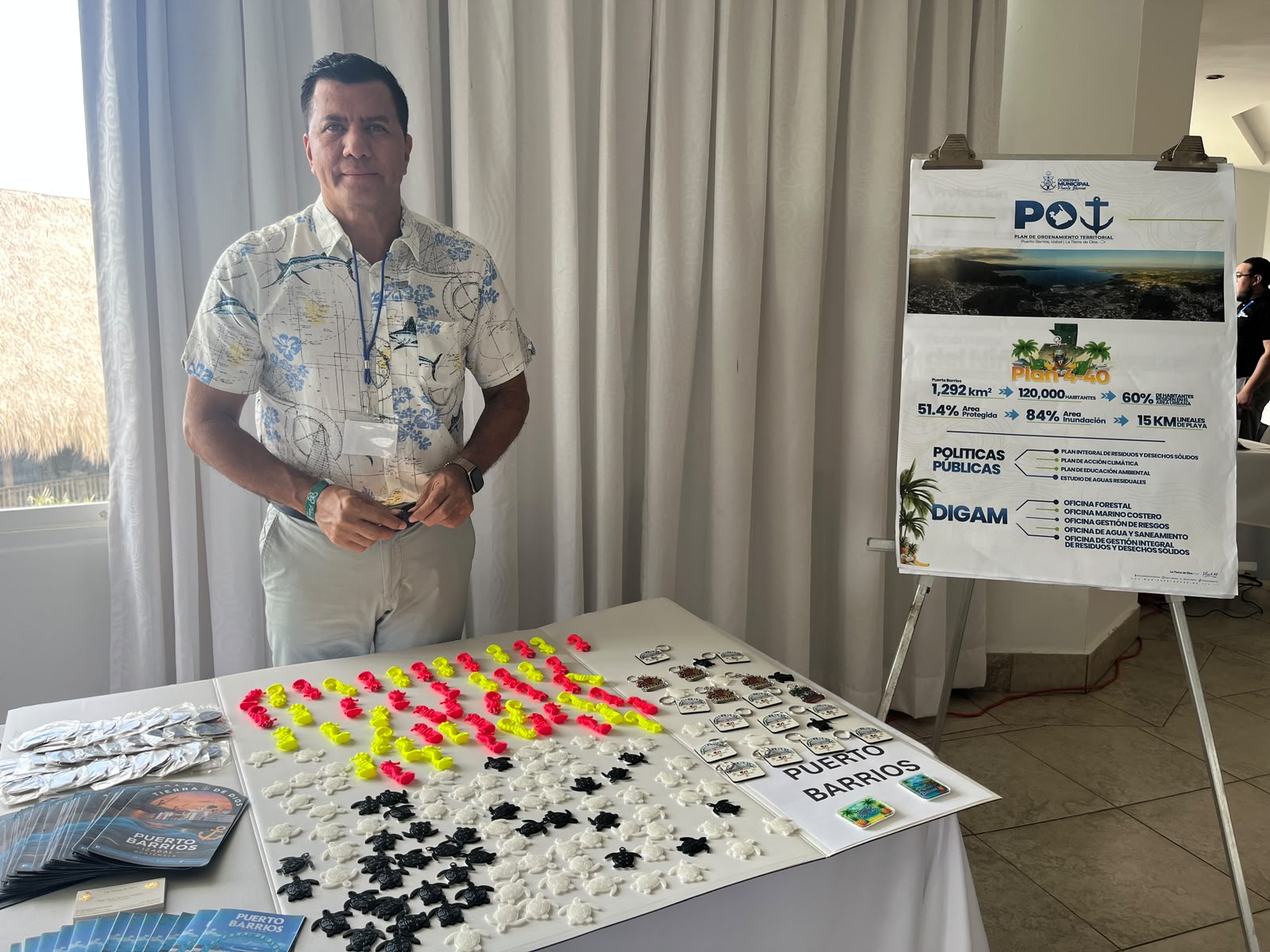
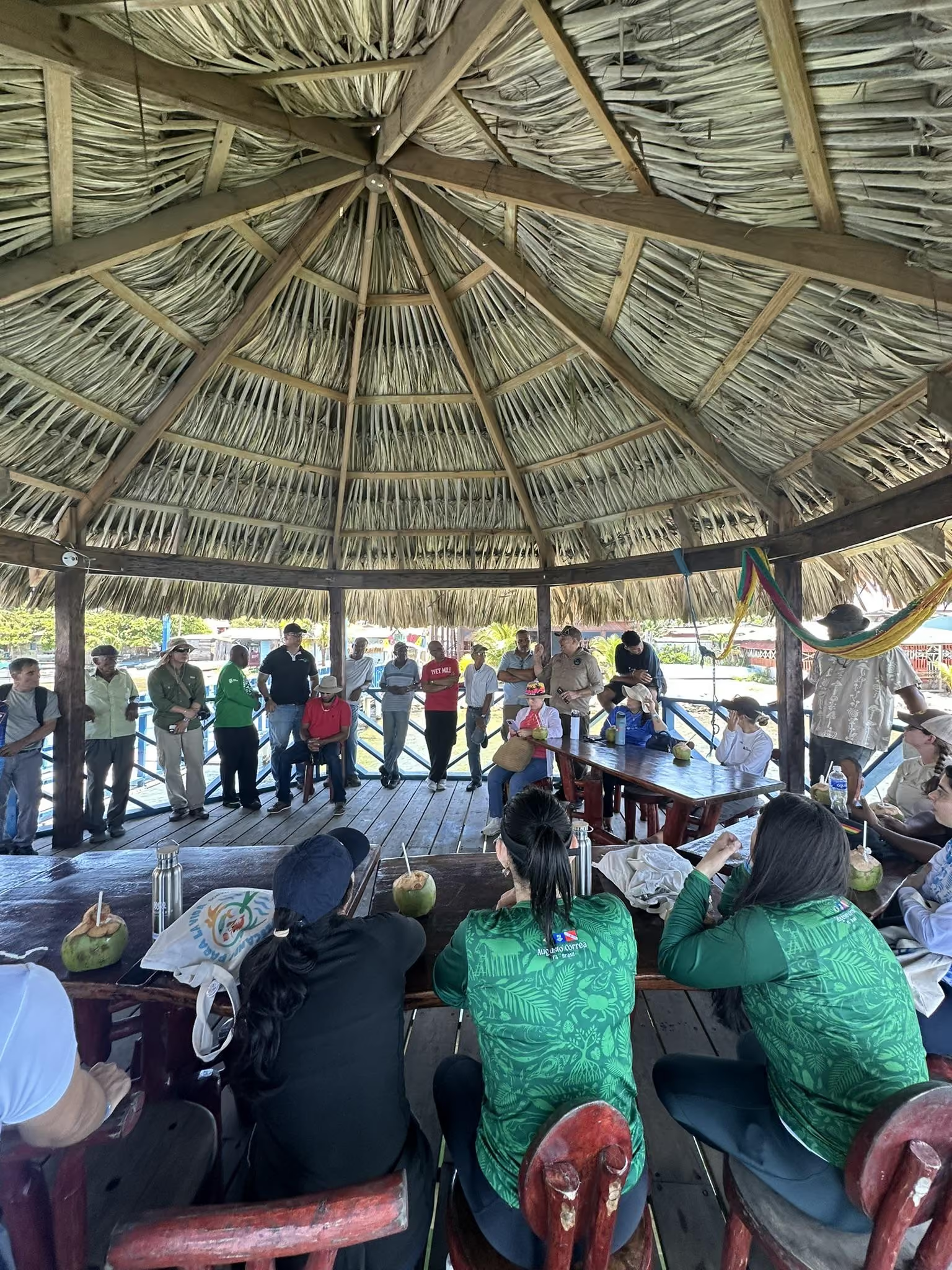
In a fair style, mayors showcased initiatives from their respective municipalities. The presentations reflected the diversity of local leadership, featuring innovations not only in coastal and fisheries management but also in agriculture and watershed-level conservation, livelihood development, public infrastructure, and community well-being. The fair sparked lively discussions among participants, with mayors, partners, and staff exchanging questions, ideas, and recommendations.
Day 2: Capacity Building Sessions
This day centered on the growing role of local leaders in advancing global biodiversity, ocean conservation, and climate action. Member discussions emphasized that protecting coastal ecosystems requires caring for interconnected landscapes and people, and the value of learning from fellow mayors whose experiences offered practical solutions to shared challenges. This day included two key sessions:
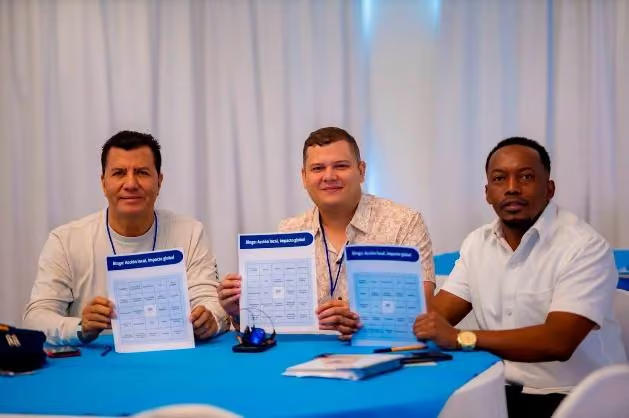
- From Local Action to Global Impact: Through presentations and interactive games, participants reinforced knowledge on key global frameworks and engagements, reflecting on how global and national targets are ultimately achieved through local action.
- Lessons from Brazil: ProManguezal, a national-level policy to advance conservation of mangroves in Brazil, with explicit goals of supporting biodiversity, climate resilience, and sustainable livelihoods, was showcased during the session. Participants also exchanged experiences from their own municipalities, revealing that while environmental protection remains a shared priority, limited financing continues to be a common challenge.
Day 3: Field Visits
This day brought us out of the conference room and into the field, providing an opportunity to witness how community leadership and local partnerships translate conservation efforts into action.
Field Visit 1: Community Savings Groups, Regenerative Agriculture, and Resilience in Moradel
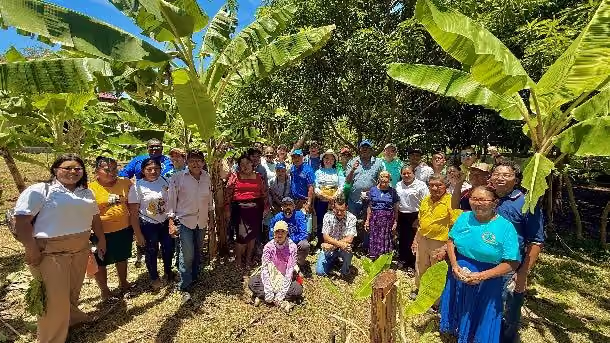
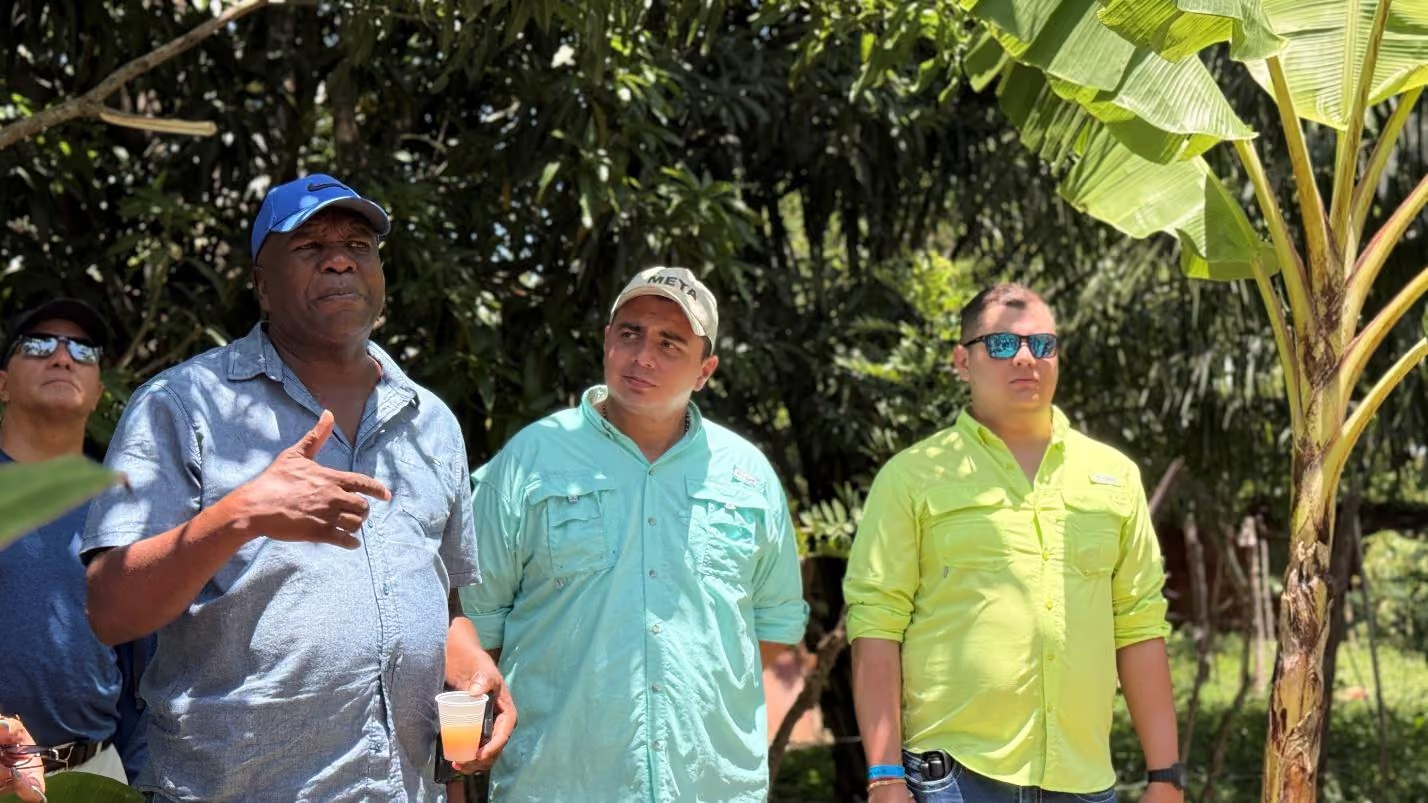
The group visited the Pech community of Moradel to observe a community savings group in action, meet with community leaders, and learn about Rare's pilot initiative integrating small-scale fisheries with regenerative agriculture. The visit highlighted how community-led financial mechanisms can strengthen livelihoods while supporting environmental stewardship. Inspired by the community's work, several participating mayors and partners voluntarily made donations to support the savings group.
Field Visit 2: Community Co-management and Coastal Restoration in Trujillo
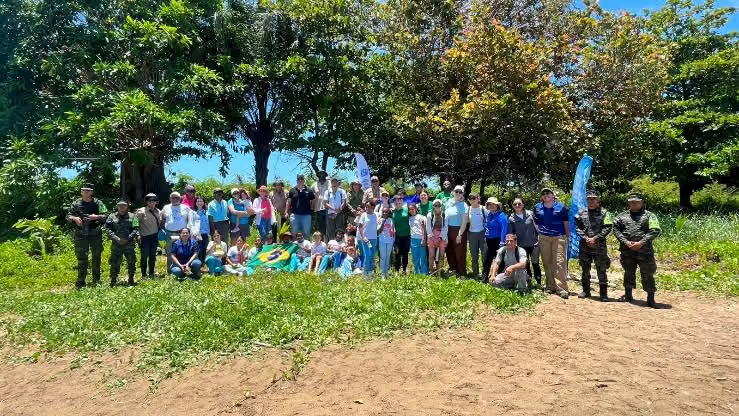
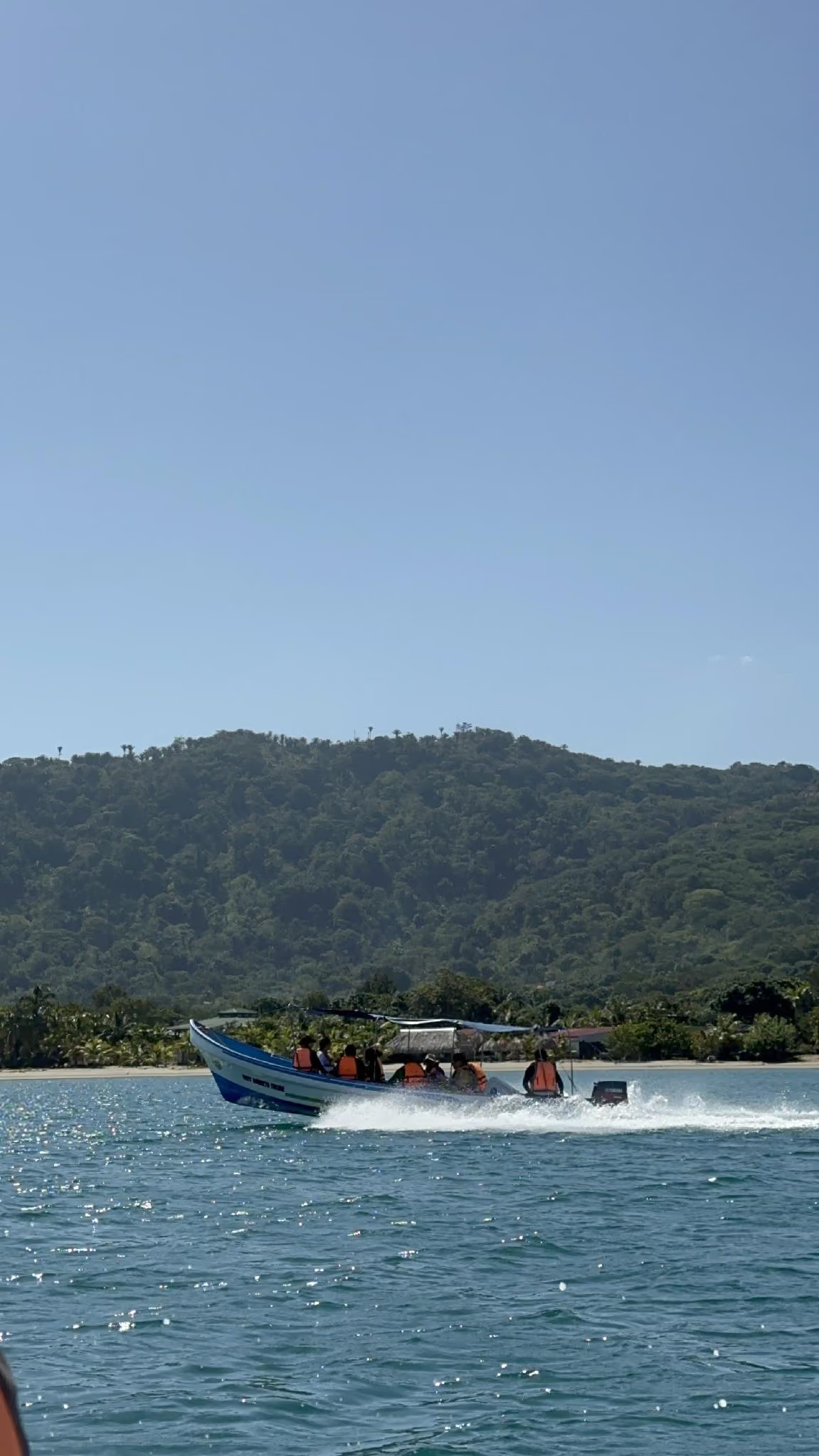
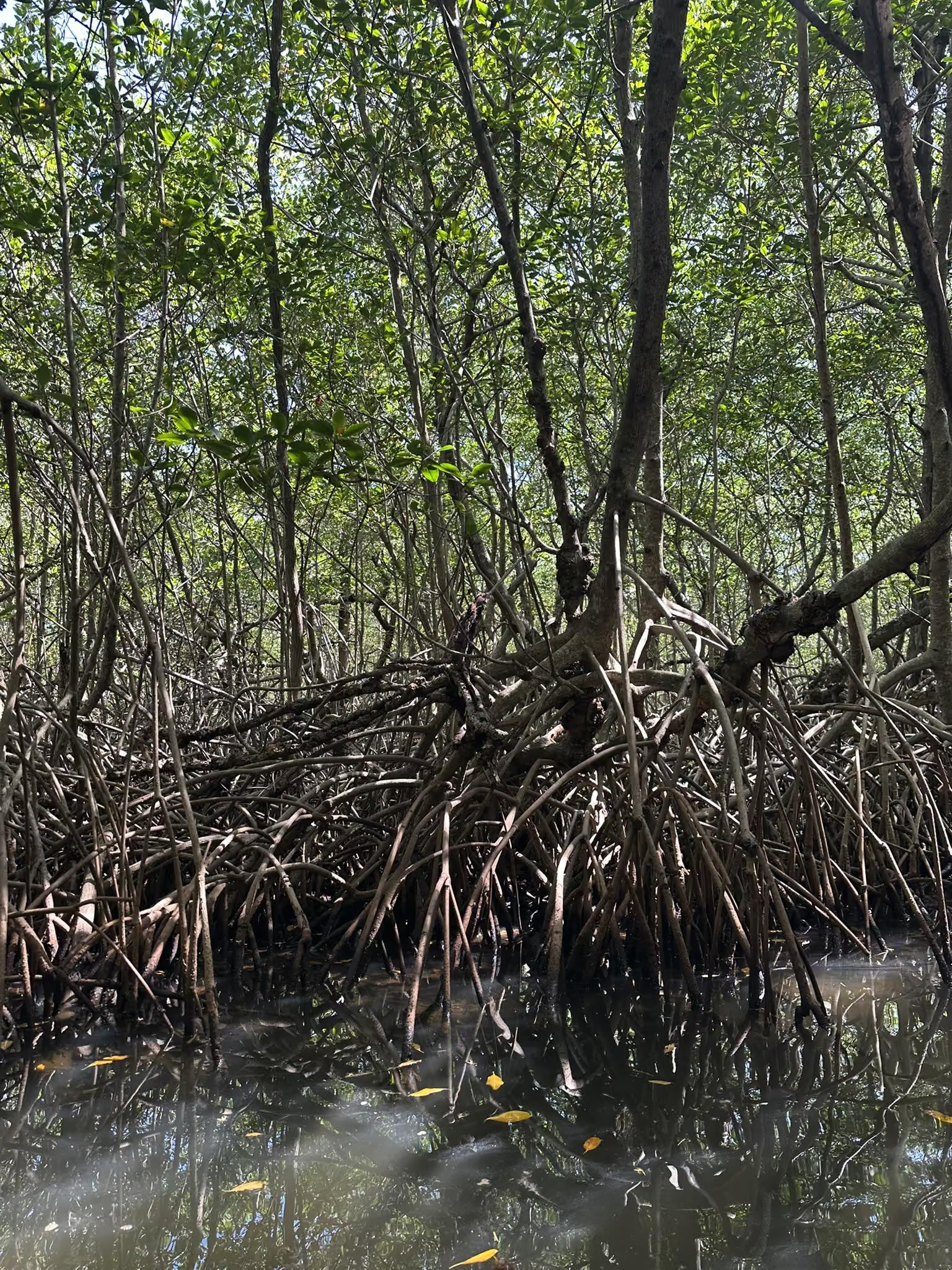
The group traveled through Guiamoreto Lagoon and the Puerto Castilla Community, where participants learned about local ecosystem conservation and community co-management initiatives by exploring the area's mangrove coverage and seagrass meadows, and meeting with local fisher representatives to hear first-hand accounts of how conservation starts at the summits of nearby mountains and trickles down to the coast. The day concluded with a symbolic coconut tree planting along the beach, where local students warmly welcomed participants and pledged to care for the trees they had helped plant.
Five Lessons from the Field
- Community ownership creates lasting conservation.
- Healthy fisheries depend on healthy ecosystems.
- Conservation begins with relationships.
- Financial resilience strengthens environmental resilience.
- Local governments and communities achieve more together.
Day 4: Community Immersion Day
Culture as Conservation
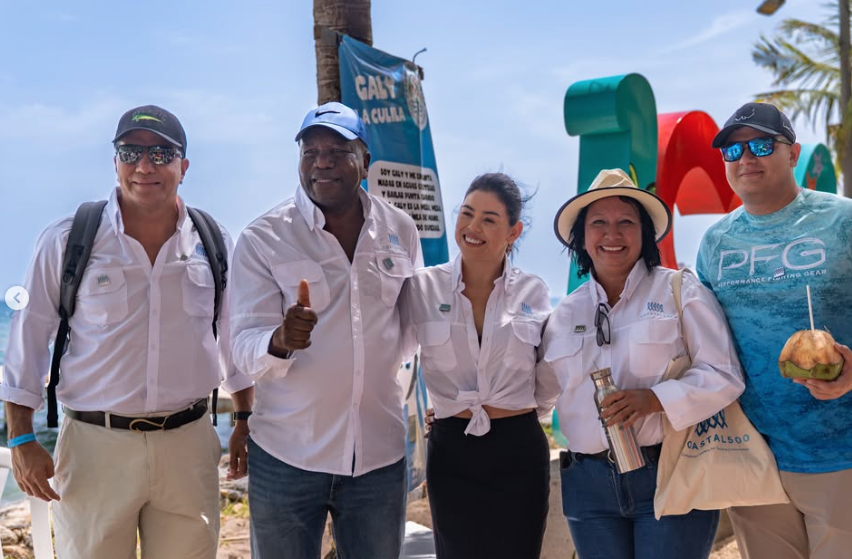
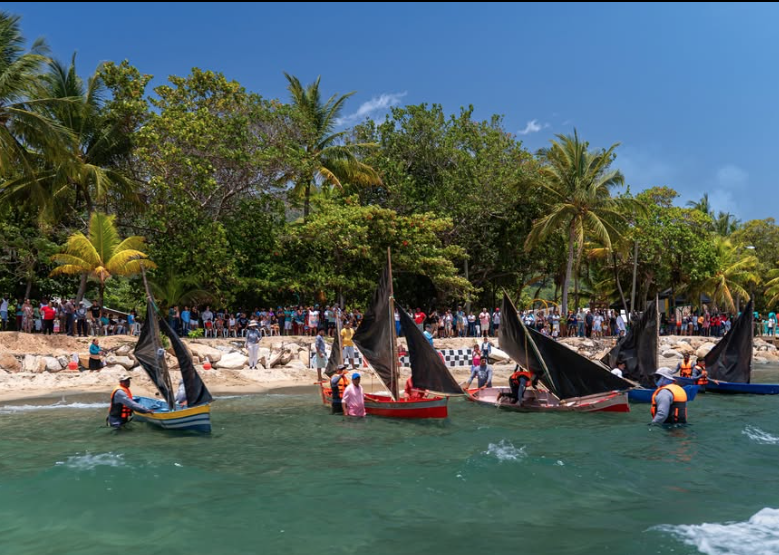
The final full day offered participants a unique opportunity to experience the culture and traditions of the municipality of Santa Fe. Hosted by Mayor Noel Ruiz, the celebration served as both a fitting conclusion to the week and a reminder of the deep connection between coastal communities' livelihoods and cultural heritage.
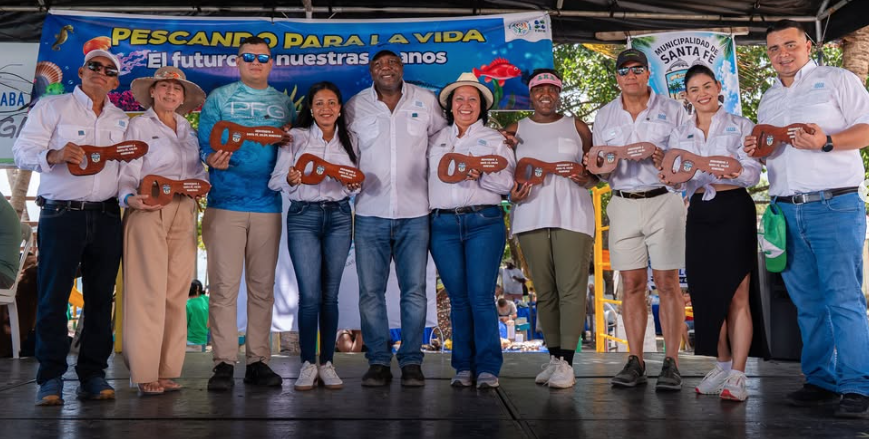
Mayor Ruiz welcomed participants from across the region and presented each delegation with a commemorative wooden boat, a symbol of Coastal 500 and the municipality's enduring relationship with fisheries and the sea. Throughout the celebration, participants also saw the strong presence of Rare Honduras' "Pescando Para La Vida" campaign, alongside a marketplace where community members showcased entrepreneurial endeavors.
The festivities featured the traditional cayuco boat race, vibrant cultural and musical performances, and a community play portraying the realities faced by small-scale fishers as they navigate competing pressures from industrial and commercial fishing. The summit concluded with an awarding ceremony for the cayuco race winners, followed by a shared meal among mayors, partners, community members, and participants.
"And we have that common ground, regardless of the specific situations in each municipality; our common ground is the issue of conservation." - Mayor Noel Ruiz, Santa Fe, Honduras
Day 5: Final Reflections and Recommitments
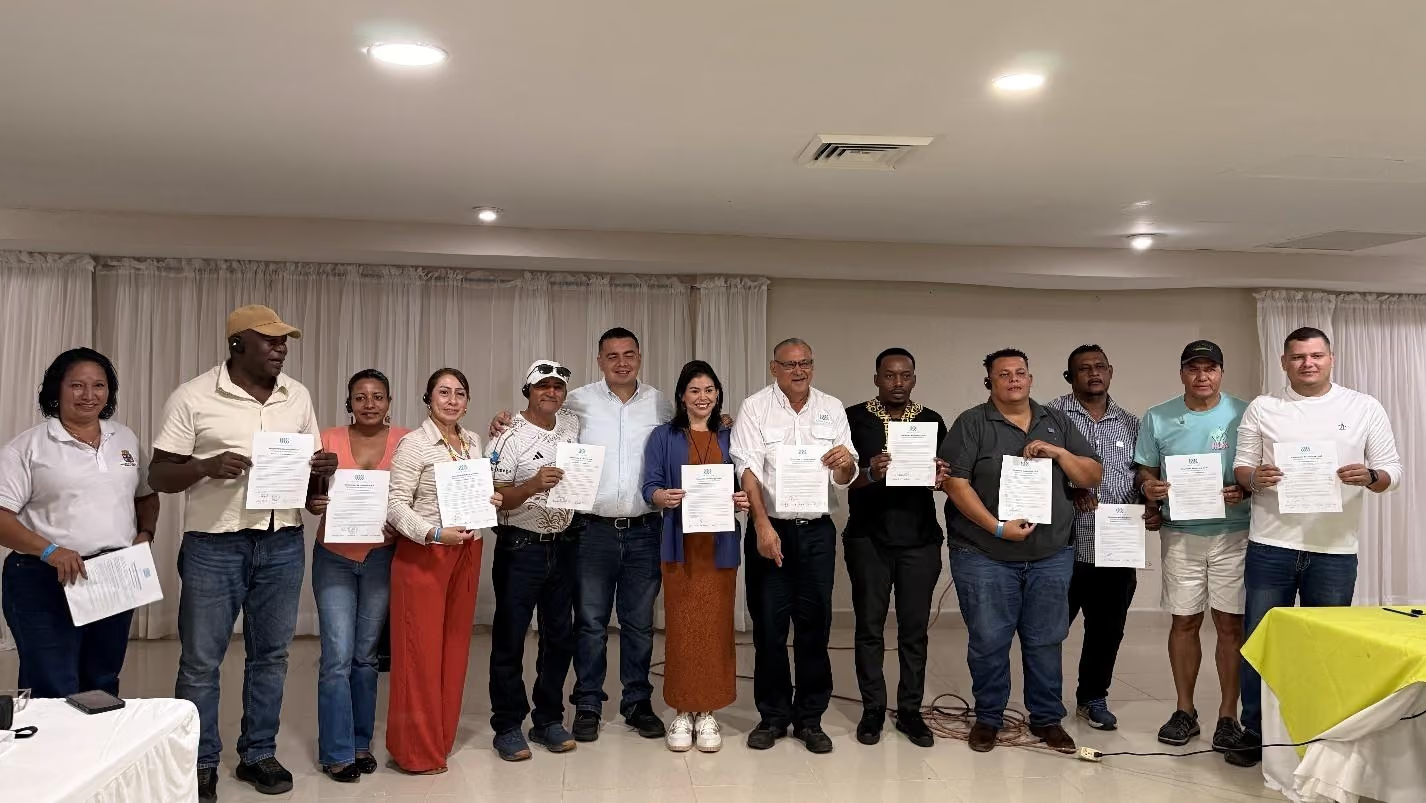
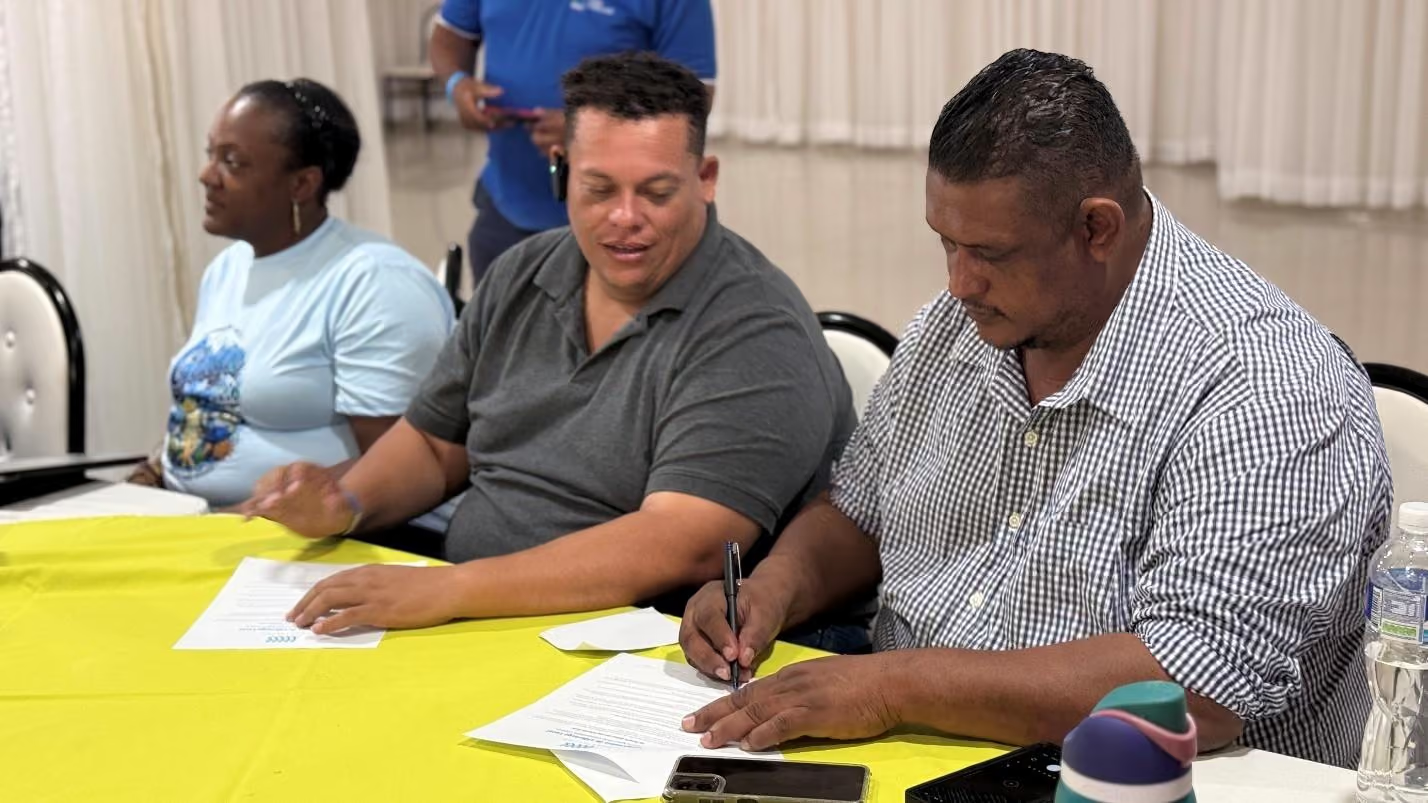
To conclude, the final day was centered on reflections, along with an invitation for mayors to sign the Coastal 500 pledge once more, signaling their continued commitment to the network and its goals.
"It's people who inspire us, and Coastal 500 provides us with opportunities to learn and connect with one another. Those connections show that, even though there is a geographical distance, we are dealing with very similar realities, very similar histories, and very similar needs."- Gelzi Nogueira, Vice Mayor, Augusto Corrêa, Brazil

.jpeg)